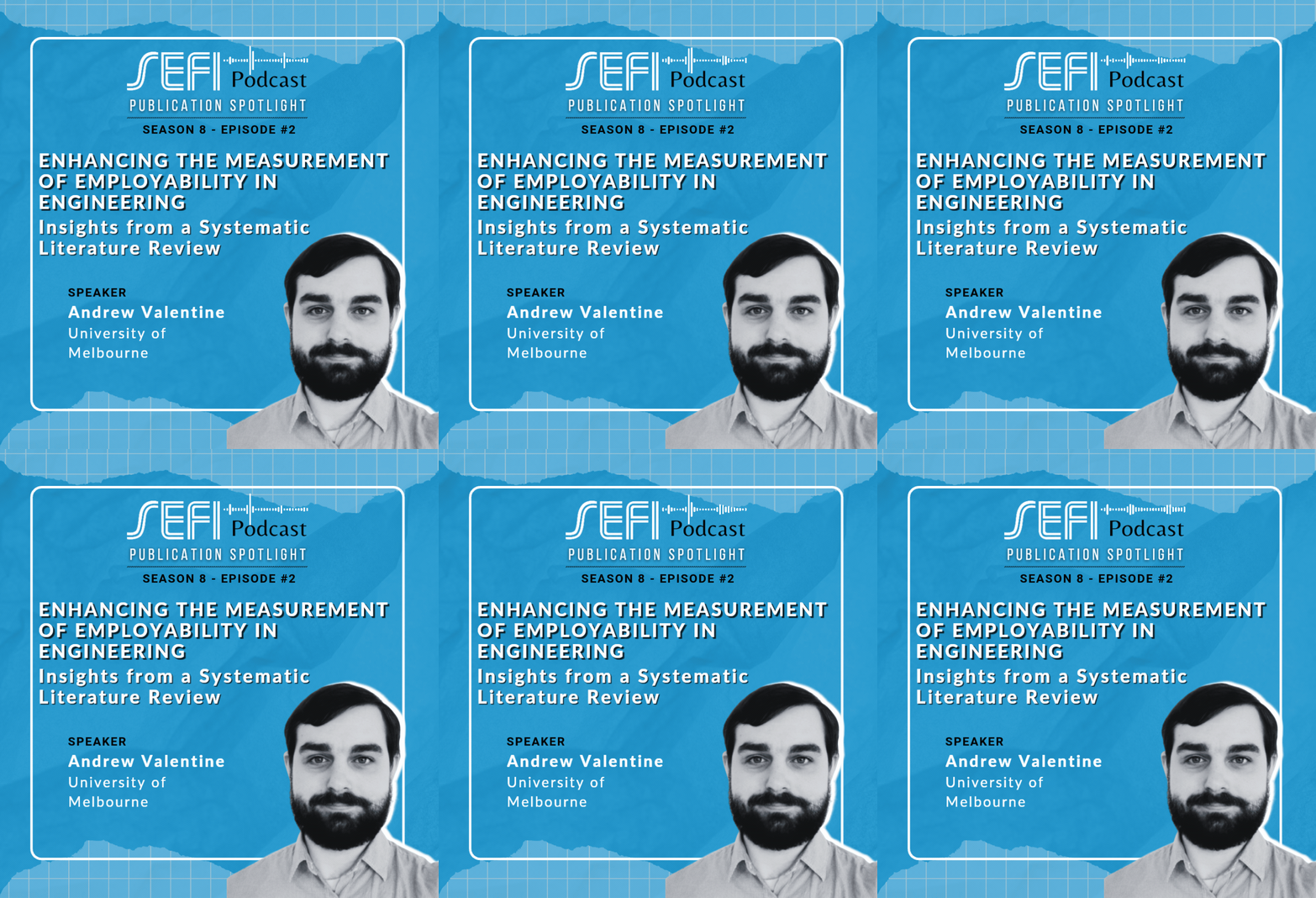
This episode features Andrew Valentine (University of Melbourne). We talk about his paper published within the European Journal of Engineering Education, entitled, Enhancing the Measurement of Employability in Engineering: Insights from a Systematic Literature Review.
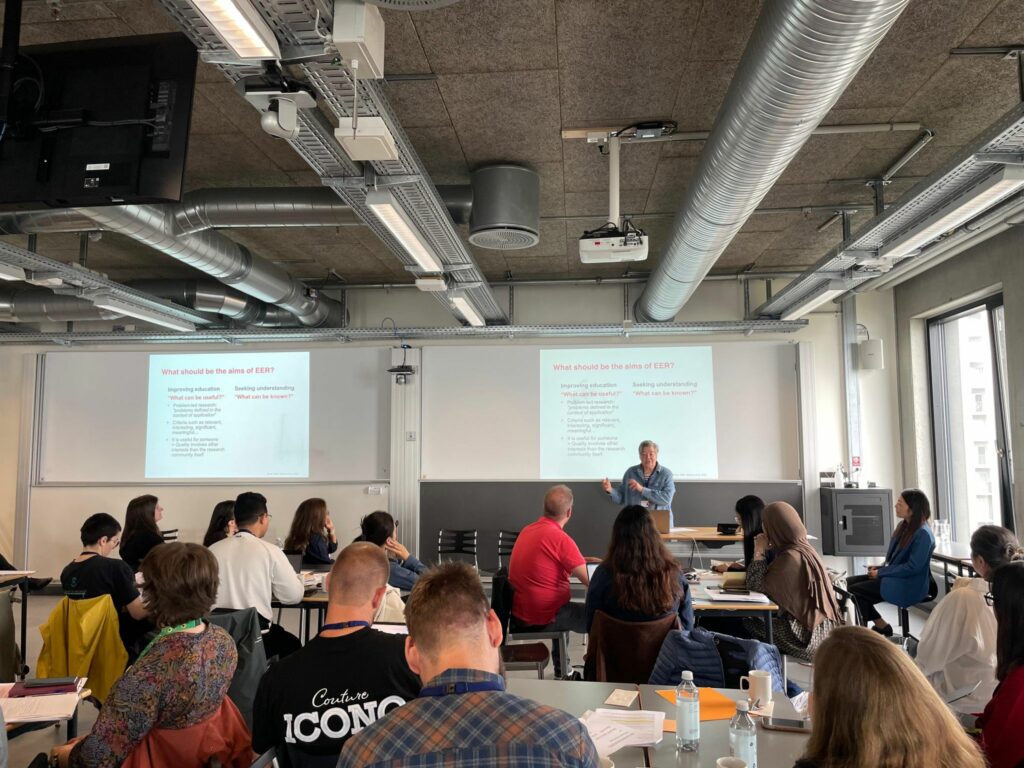
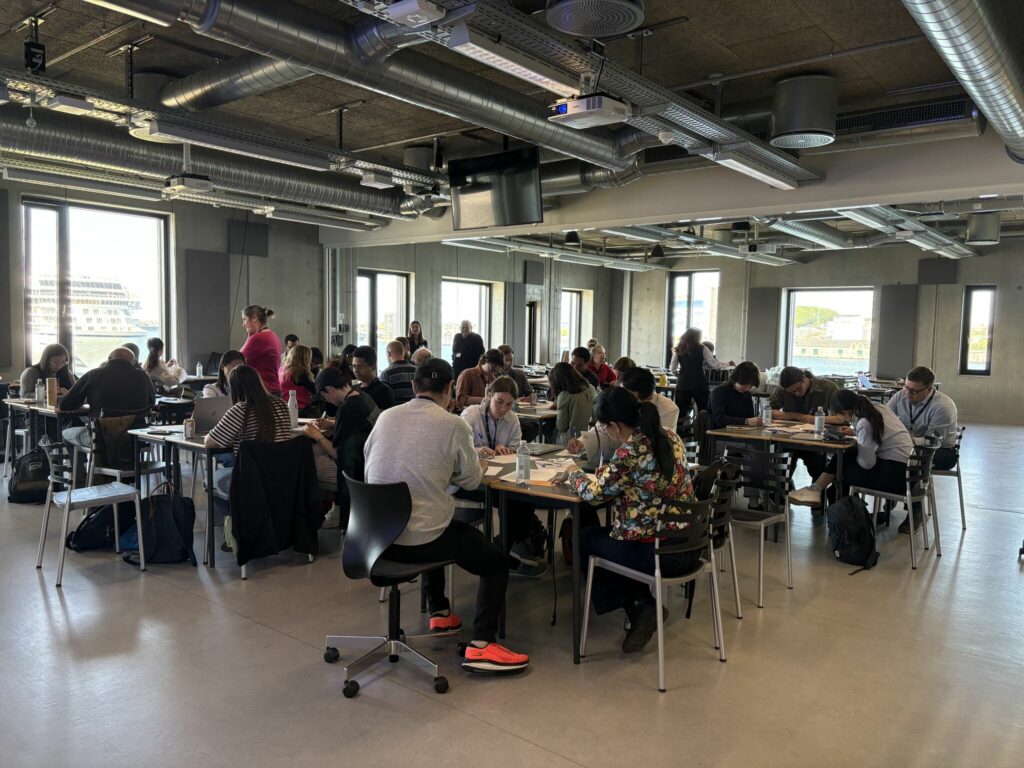
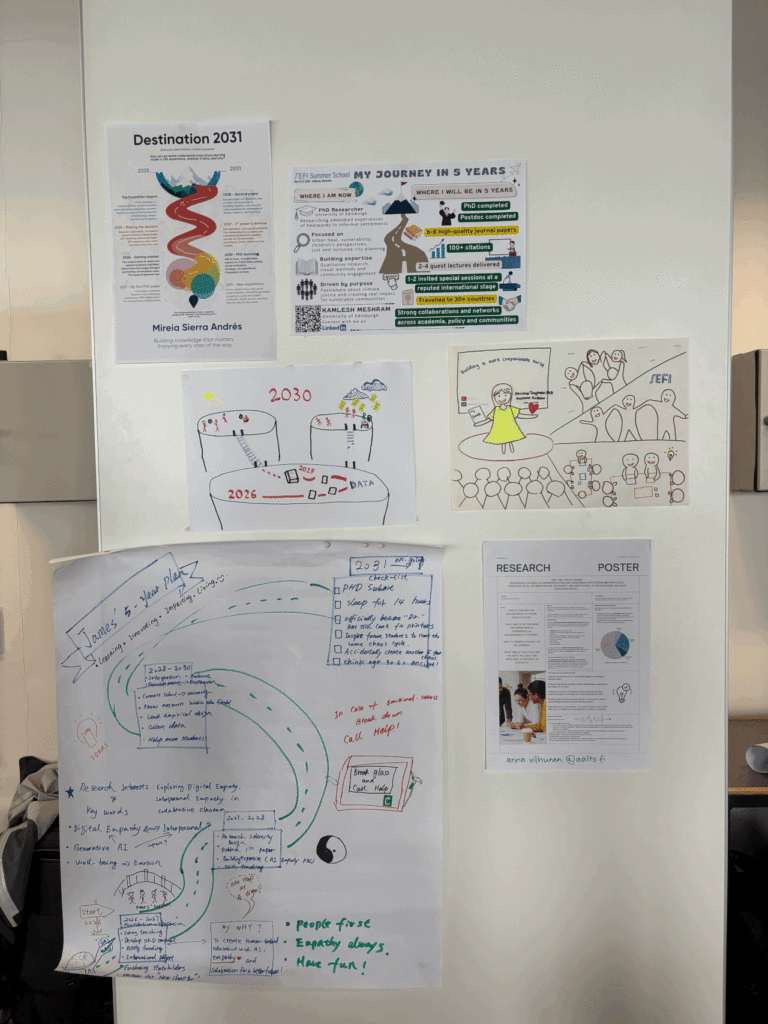
The 4th SEFI Summer School on Engineering Education Research brought together a committed group of early career researchers and experienced scholars in a highly interactive and supportive learning environment. Throughout the programme, the teaching team demonstrated strong dedication, collegiality, and care in facilitating the sessions, dialogues, interactions, teamwork, supporting early career colleagues’ professional growth. The participants were highly engaged, contributing actively to discussions, group work, reflections, and exchanges across the different activities.
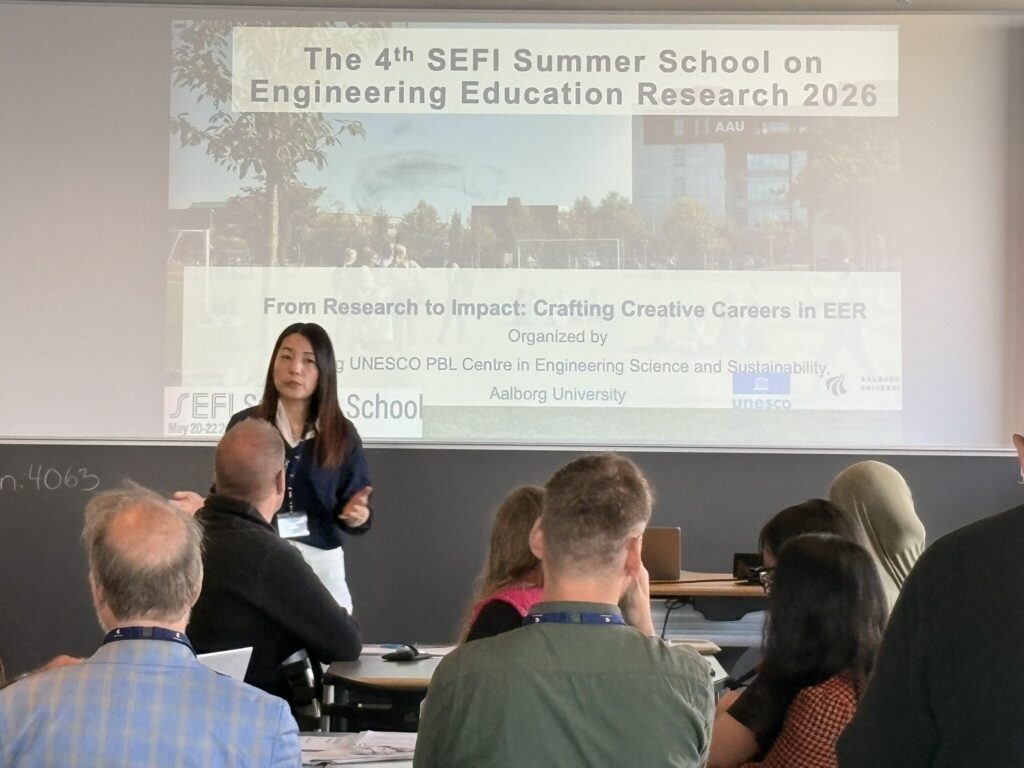
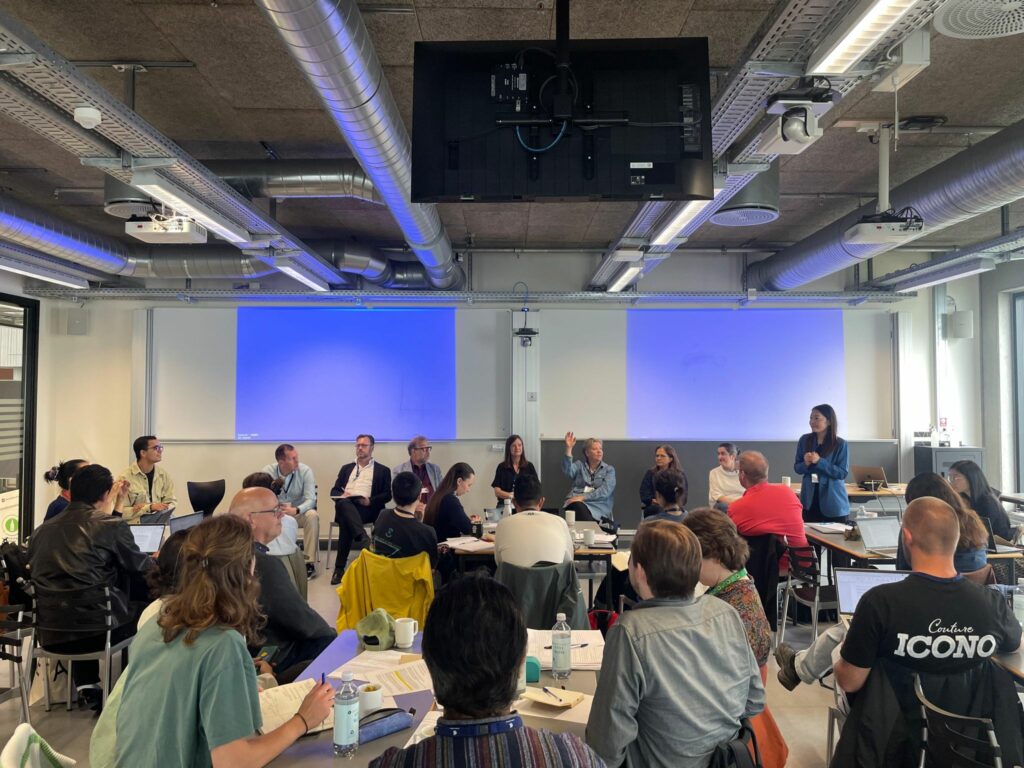
We received very positive feedback immediately after the Summer School, both informally and through an initial analysis of the evaluation responses, using the same survey as previous years. The initial analysis of the evaluation forms shows participants particularly positively valued the opportunity to build an EER network, connect with peers across different stages of their PhD journeys, engage with experienced researchers and mentors, and receive pragmatic feedback on their research. The workshops were described as interactive, insightful, and useful for developing methodological understanding, research direction, and a stronger sense of identity within the EER community. Participants also highlighted the supportive atmosphere, the openness of the instructors, the quality of the Aalborg team, and the value of team discussions, reflection, and community-building activities. While some suggestions were made for future improvement, , the overall response was clearly appreciative.
Importantly, all students and teaching team members expressed a clear wish to sustain the Summer School, emphasizing its significant value for the SEFI community. The programme appears to offer not only a rich educational experience, but also an important platform for designing own professional career growth, building connections, supporting emerging scholars, and strengthening the broader engineering education network.
We look forward to sharing a more detailed evaluation analysis in due course during the upcoming meeting.
Related Posts