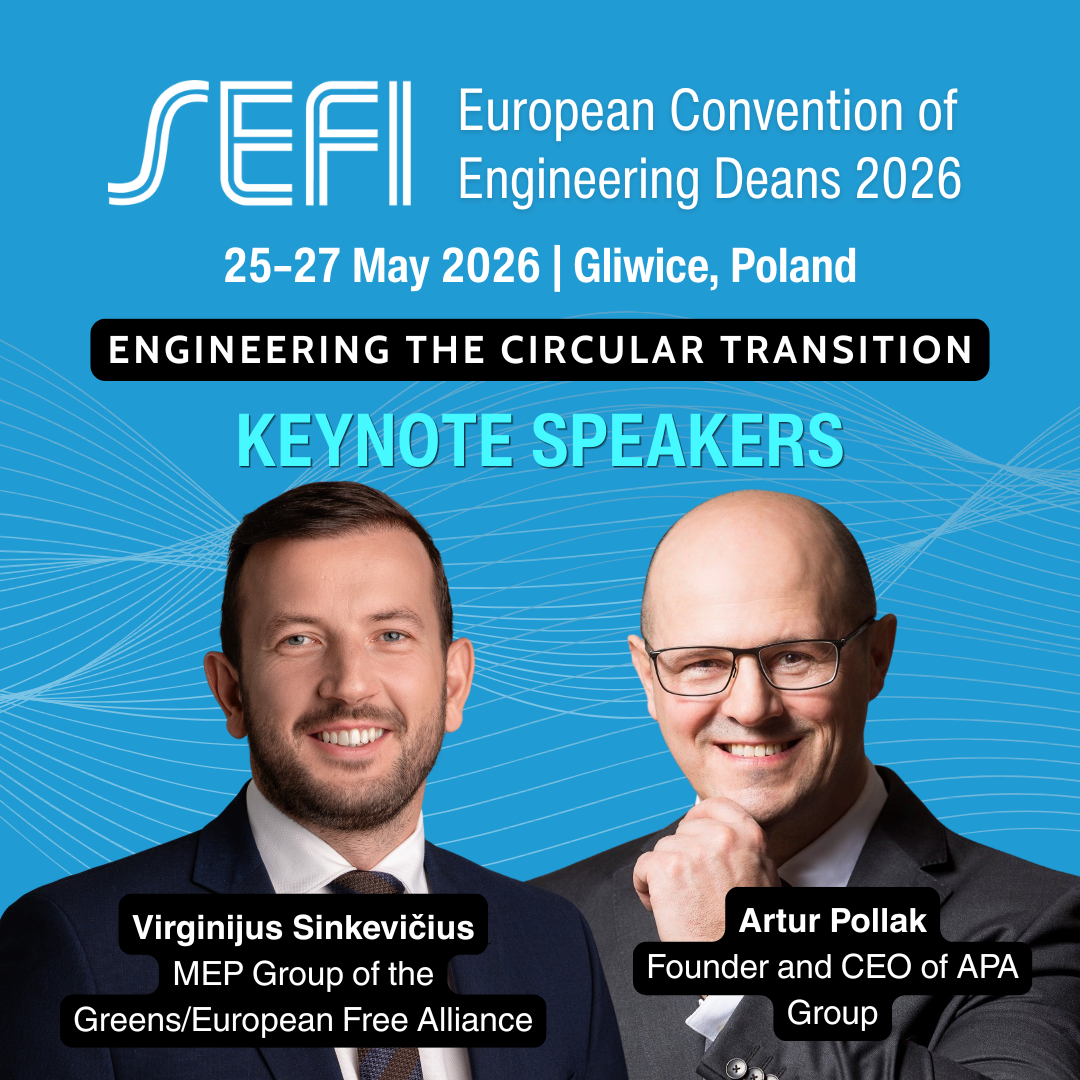
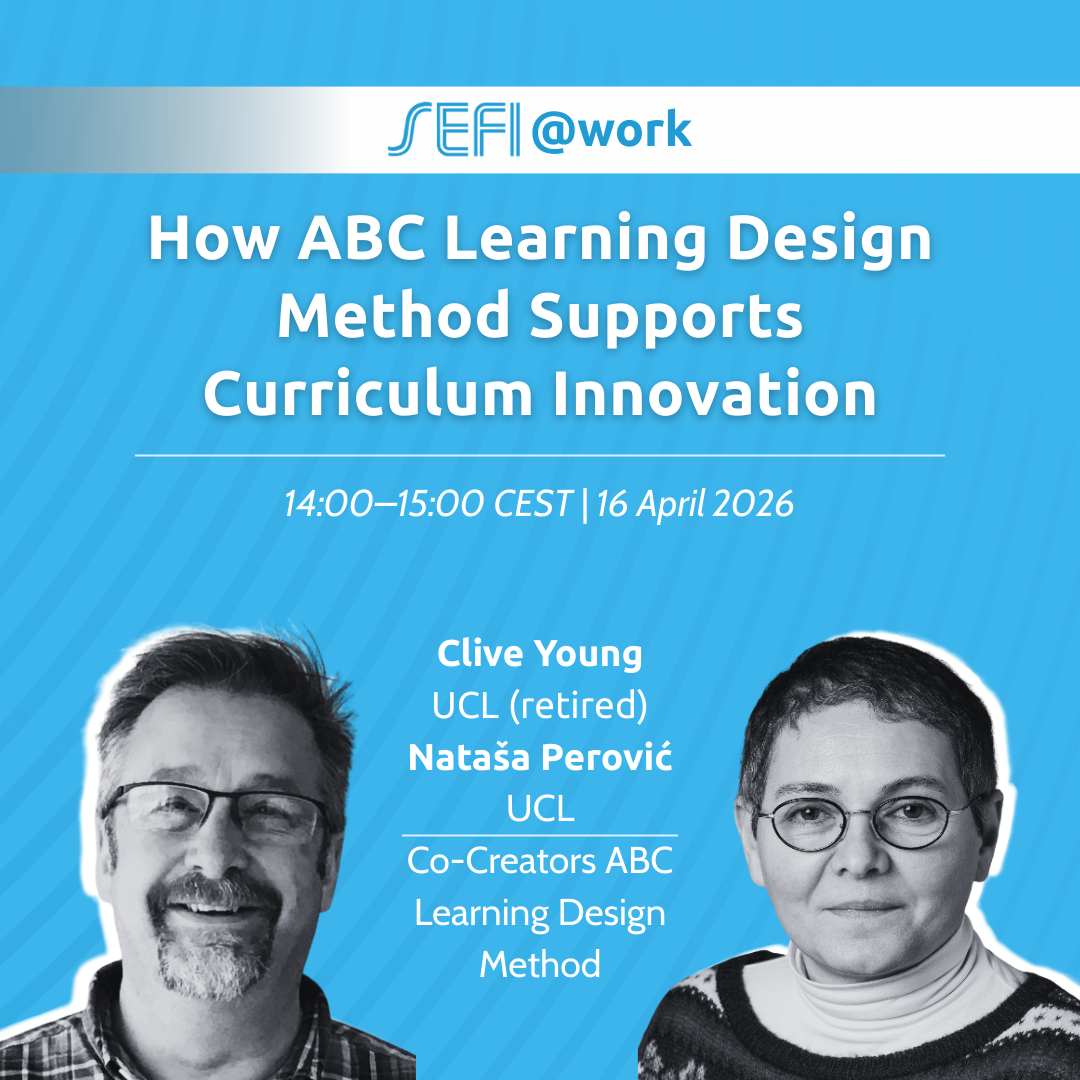
As we look ahead to the European Convention of Engineering Deans (ECED) 2026, held from…
At the beginning of December, the SEFI Early Career Researchers Club hosted their final session for 2025.
The SEFI Early Career Researchers’ Club is a 9-month initiative designed to support and connect early-career researchers in Engineering Education Research (EER). The initiative is run by the SEFI Capacity Building SIG, chaired by Jennifer Griffiths and Madeline Polmear. This year’s cohort brings together 24 researchers from diverse institutions and continents who are eager to learn, share, and grow together.
Led by Dr. Xiaoqi Feng and co-organised by Dr. Diana Martin, the initiative provides a community for exploring key topics in EER, reflecting on career development, and building meaningful connections across the global research community. The 2025–2026 programme features nine monthly online sessions covering topics such as professional development, trends in EER, theorisation, AI in research, teaching, communication, mentorship, grant writing, and publication pathways.
Each session invites experienced scholars from around the world to share their insights and journeys. Confirmed guest speakers include Inês Direito, Dayoung Kim, Greet Langie, Corrinne Shaw, Karin Wolff, Andrew Katz, Roland Tormey, Matheus de Andrade, Shannon Chance, Kristina Edström, and David Knight.
Equally important are our mentors, who dedicate their time to guide small triads of mentees throughout the year. Our mentors include Muhsin Menekse, Lelanie Smith, Diana Bairaktarova, Aditya Johri, Euan Lindsay, Susan Lord, Greet Langie, and Tom Børsen.
We look forward to continuing the series in 2026 with more conversations and coaching opportunities!
Session 1: Professional Trajectories and Career Planning
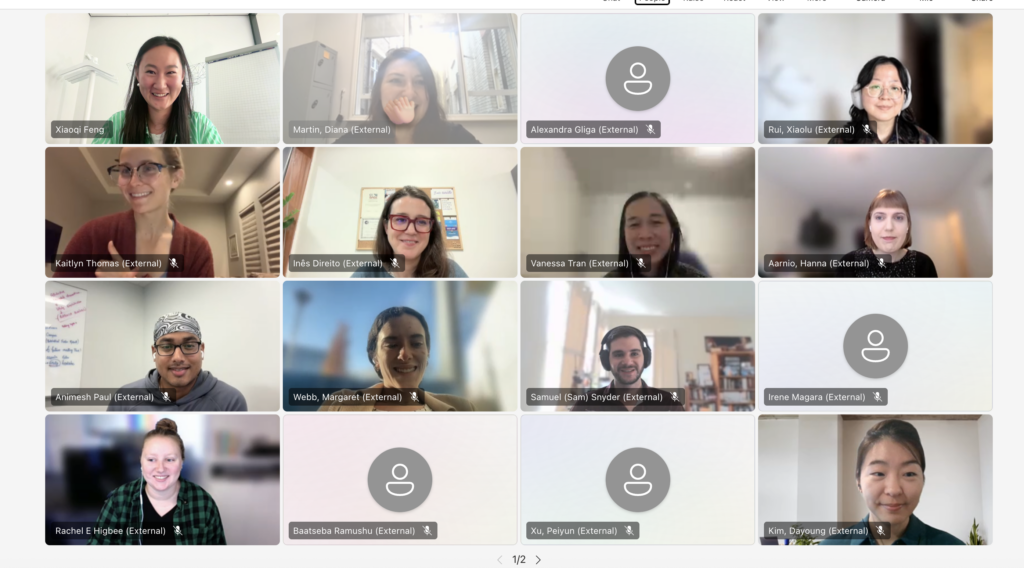
On 21 October 2025, the SEFI Early Career Researchers’ Club kicked off its first session of the 2025–2026 season. Hosted by Diana Martin, the opening session featured three inspiring guest speakers: Inês Direito, Xiaoqi Feng, and Dayoung Kim.
Inês walked through her academic journey from educational psychology to STEM education, emphasising the importance of both peer and mentor support.
Xiaoqi shared her experience beyond research, reflecting on her role as an educational developer and how research is used in an applied manner to co-create educational improvement.
Finally, Dayoung reflected on the crossroads of policy and academia in professional development within Engineering Education Research, and the value of early, intentional career planning.
Session 2: Trends in Engineering Education Research
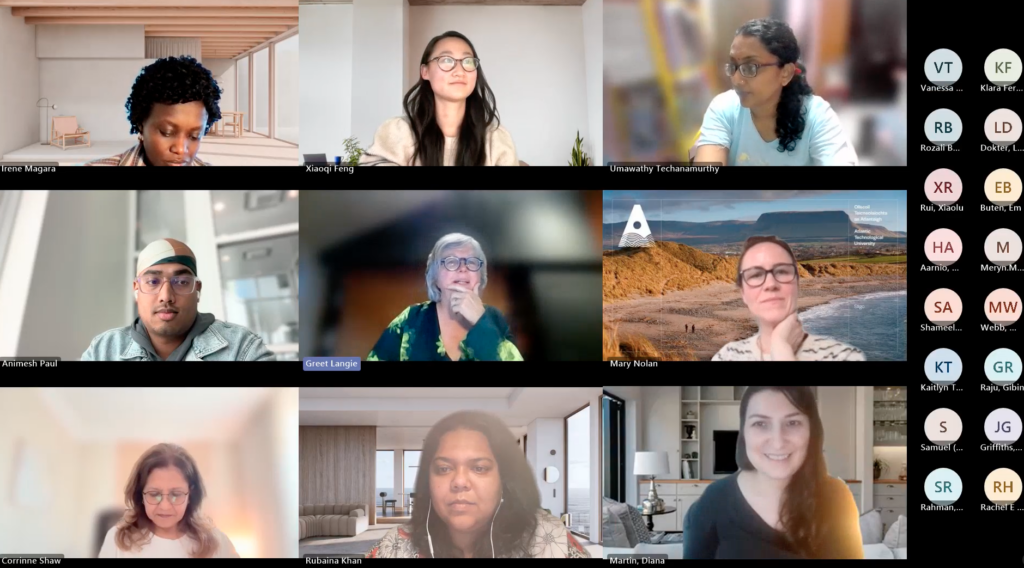
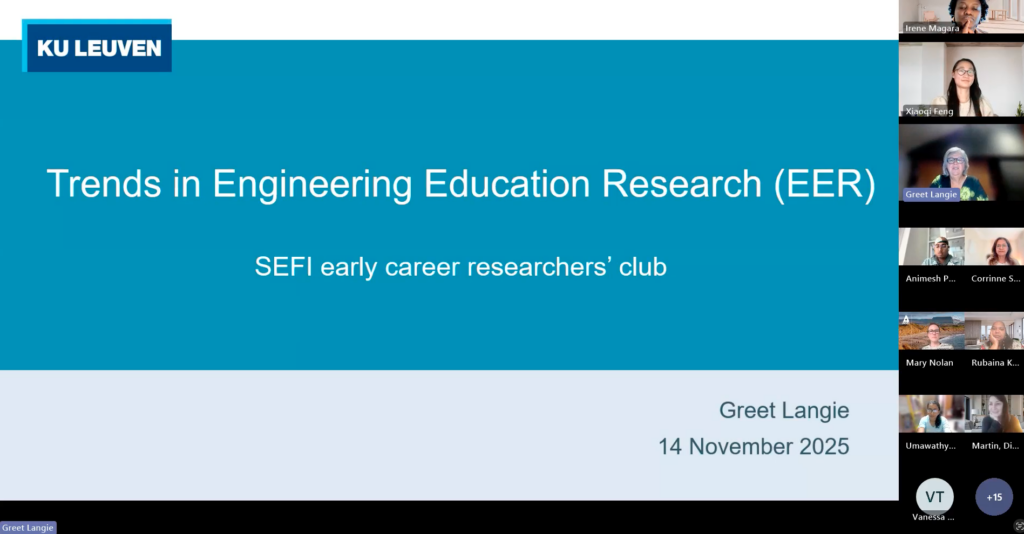
On 14 November, the SEFI Early Career Researchers’ Club welcomed Professor Greet Langie (KU Leuven) and Associate Professor Corrinne Shaw (University of Cape Town) as our guest speakers.
Greet offered a comprehensive overview of global trends in EER, highlighting the evolution of research topics, growth in international collaboration, and the increasing influence of policy, funding, and accreditation bodies. She also shared personal reflections on how her own research journey has been shaped by curiosity, collaboration, and emerging opportunities.
Corrinne brought in a critical and contextual perspective, exploring how EER priorities and challenges can differ across the Global North and Global South. In some Northern contexts, research may engage closely with cutting‑edge labs and industry collaborations, and in many Southern contexts, questions of access, equity, and local relevance take centre stage, offering fertile ground for unique theoretical and methodological contributions. Corrinne concluded with an inspiring example from her work at the University of Cape Town.
Session 3: Using and Developing a Theoretical Lens

On 9 December, the SEFI Early Career Researchers’ Club closed the year with its third session, featuring Associate Professor Karin Wolff (Stellenbosch University), who shared her insights on Theorization in Engineering Education Research.
Karin took us through her journey, from the film industry, to teaching communication to engineering students, to researching theory–practice divide and problem-solving patterns. She highlighted not only the cognitive work of reading and problematizing research questions, but also the collaborative aspects of doing research and building connections.
Related Posts