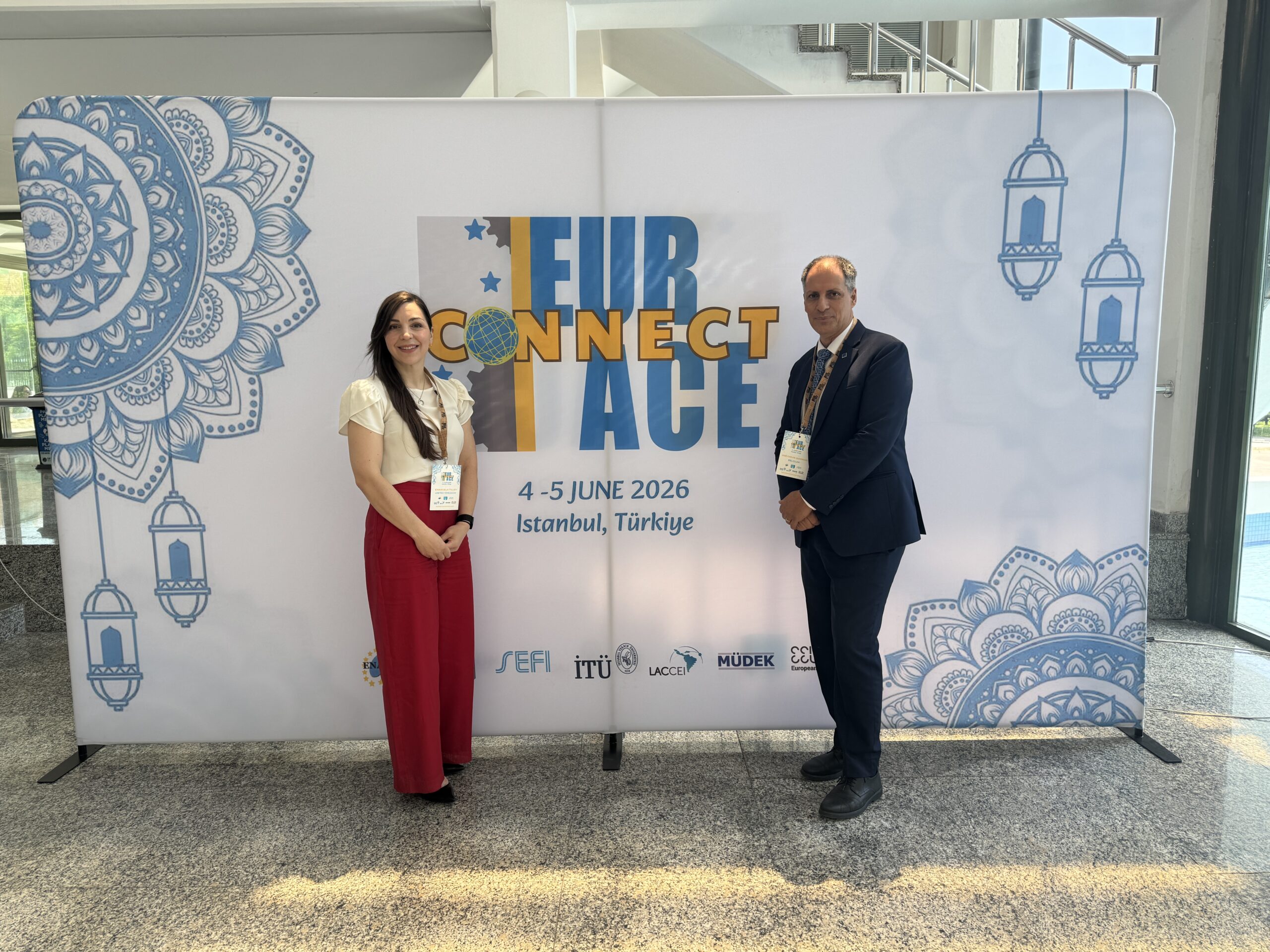
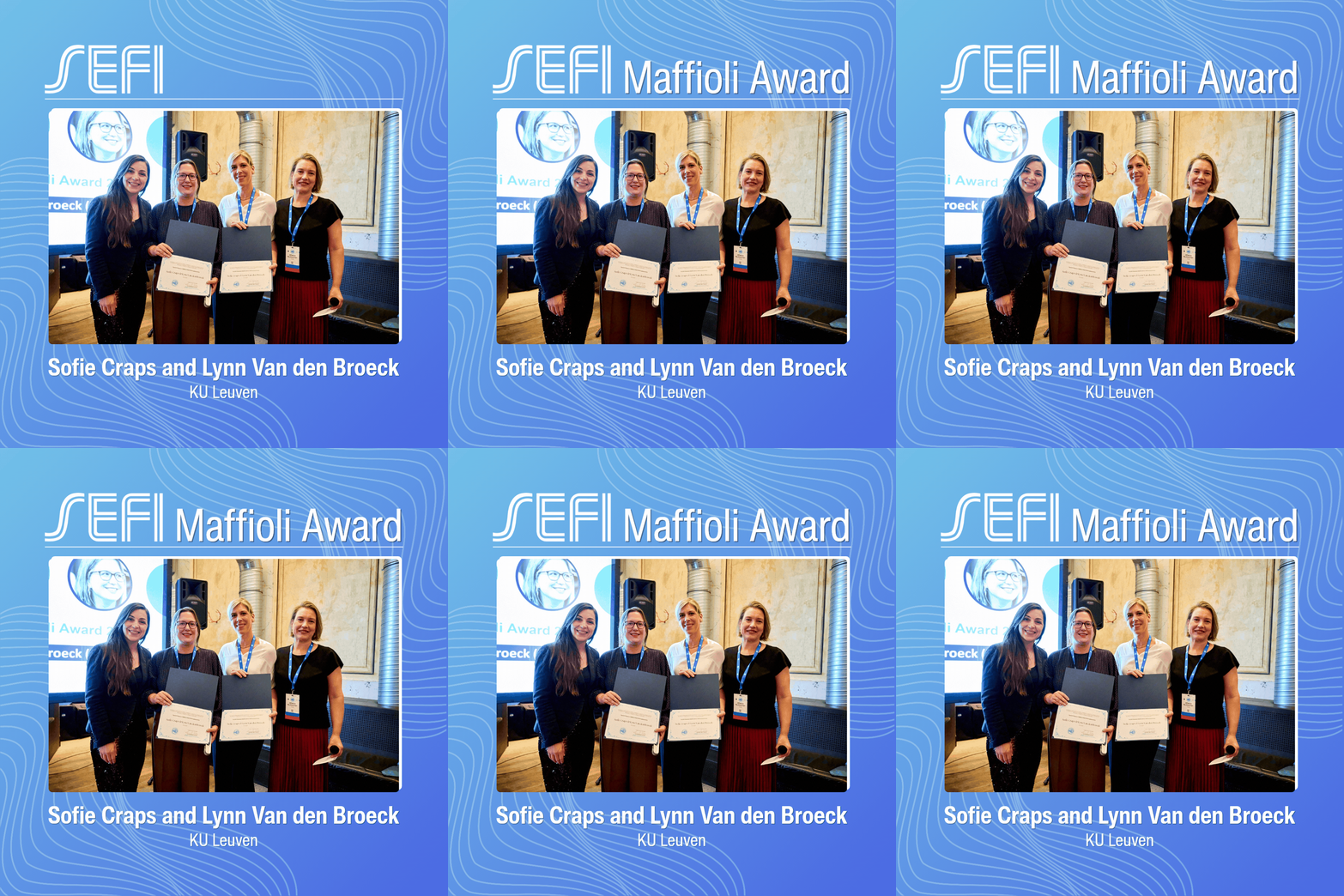
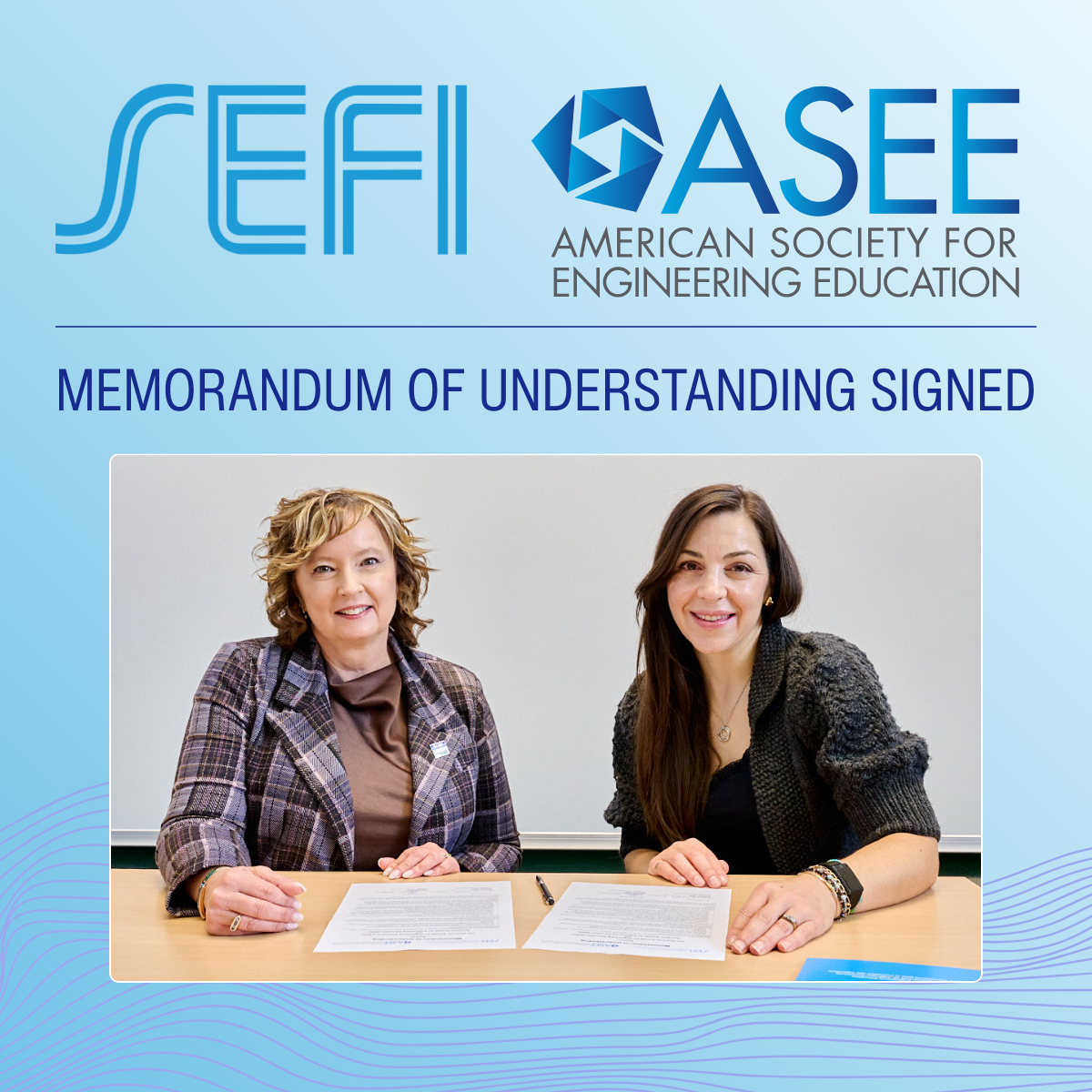
As we transition into a new academic year, I find myself reflecting on an exceptionally vibrant and transformative summer for the European Society for Engineering Education. It has been a season defined by deep collaboration, strategic dialogue, and shared growth. Over the past few months, I have had the privilege of representing SEFI at three pivotal European engineering events, each highlighting a crucial pillar of our mission to advance engineering education.
BEST is a highly organised student voice in European engineering education representing over 3,000 volunteers in 30 countries. As SEFI’s official go-to partner for the student perspective, they provide invaluable, structured feedback on everything from curriculum design to international collaboration.
In many of the previous podcast episodes we have spoken about students: what we teach them, how we teach them, what we think they think…
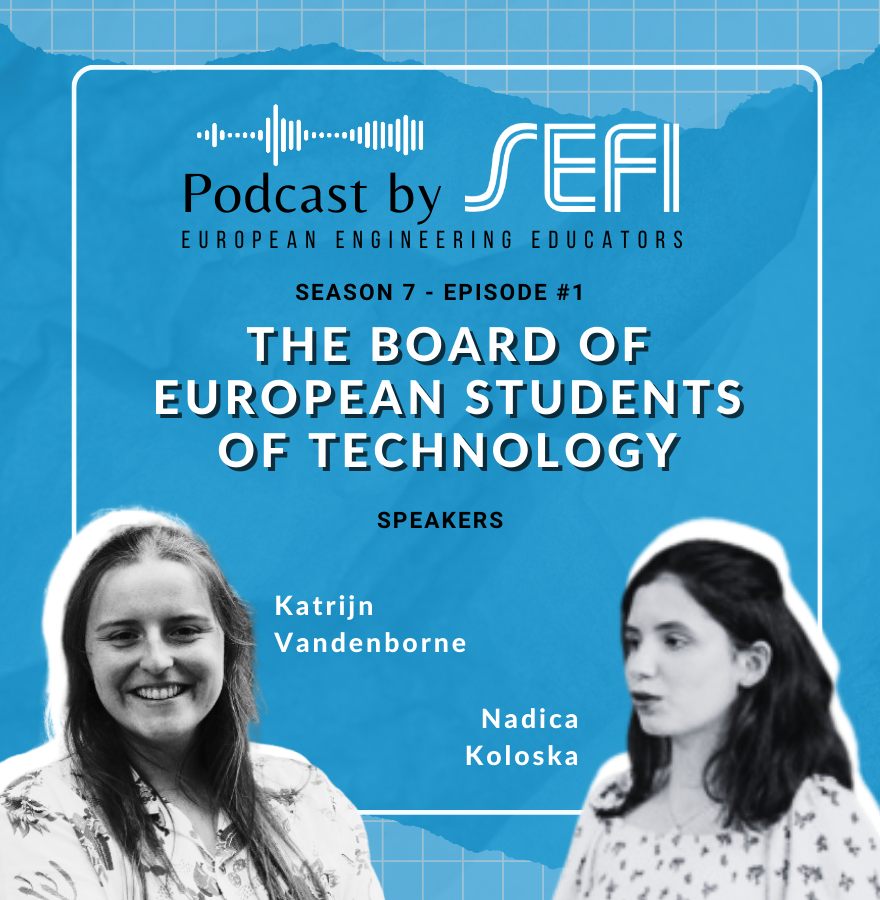
In this episode we attempt to bridge the gap between engineering educators and students by directly asking them what they think. In so doing, we welcome Katrijn Vandenborne (former President of BEST) and Nadica Koloska (co-ordinator for the Educational Involvement Department) from the Board of European Students of Technology (BEST).
Who are BEST?
BEST is a non-profit and politically unaffiliated organisation, fully run by volunteers (primarily students) that has provided communication, co-operation and exchange possibilities for students across Europe since 1989. There are currently 84 Local BEST Groups in 30 countries, with over 3000 volunteers. The organisation strives to help European technology students to become more globally aware by supporting in their understanding of European cultures and developing their capacities to work internationally.
How are BEST and SEFI linked?
Katrijn explains that the first interaction between BEST and SEFI dates back to 1996, when BEST was invited to take part in the SEFI & CESAER initiative to establish the H3E (Higher Engineering Education in Europe) Thematic Network under the European Community’s SOCRATES programme, which was dedicated to shaping the future of engineering education and which was the first thematic network where students participated as equal partners.
BEST first became involved in the SEFI Annual Conference, in 2006. They still participate today, presenting research papers and, at times, participating in the Deans’ Meeting to provide a student perspective on key discussions.
The relationship was formalised in 2015, when a Memorandum of Understanding was signed. Today, BEST is considered SEFI’s go-to partner when they need student input, including for activities in Special Interest Groups (SIGs). SEFI are also invited to BEST’s major conferences and educational events, where they provide valuable insights from professors, engineering educators, and researchers.
What is the Educational Involvement Department?
Nadica explains that The Educational Involvement Department’s key aims include enhancing student engagement in education, improving the quality of research through the Educational Involvement Programme (EIP), and strengthening collaborations with academia and industry. By structuring its efforts around data-driven research, strategic partnerships, and advocacy, EduID ensures that student-driven initiatives lead to tangible improvements in education policies and practices.
It is involved in several activities:
- Conducting research and publishing findings through scientific papers and reports, ensuring that student input reaches decision-makers.
- Organizing BEST Symposia on Education (BSEs) and Local Events on Education (LEoEs).
- Collaborating with universities, industry, and policymakers.
- Representing BEST at international conferences and partners with organizations like UNESCO, SEFI, and FEANI to stay engaged in educational discussions.
BEST Activities
Courses: Courses offer students the chance to network with peers and to expand their knowledge in technology, management, and career-related skills through lectures, company visits, and hands-on projects. They’re taught by experts and often awarded ECTS credits.
Providing career support: Career support is offered through the BEST Career Centre, (an online platform), an international job fairs, and collaborations that connect students with companies.
BEST Symposium on Education (BSE): The BSE is one of the ways that BEST gather data during the Educational Involvement Programme, with the topic of the event being the same as the research topic of the year of the EI Programme. It allows students, professors, industry experts, and representatives from research associations and higher education institutions (HEIs) to come together to discuss and improve European HE. The key outcomes of these discussions are compiled into a final report, which serves as a basis for research papers that may later be presented at international education conferences such as SEFI.
Events on Education (EoEs): EoEs offer a platform where students, university representatives, and companies engage in discussions about the future of engineering education in Europe, working together to identify challenges and propose solutions for innovation and development.
Ensuring diversity in perspectives
Although BEST directly represents its volunteers and members, they aim to reflect the voices and needs of all STEM students across Europe, through indirect representation, including those who are not part of BEST. Advocacy efforts are thus designed to benefit and amplify the voices of the broader student community, and they engage with students from diverse backgrounds through collaborations with other organizations and by gathering feedback through surveys shared widely via social media, LinkedIn, and other networks.
Student Views
Nadica tells us about the work BEST previously contributed to SEFI which focused on student perceptions of innovation, entrepreneurship and new technologies for responsible STEM education. The project found that students don’t resist being taught these topics (in fact they viewed them as essential for adapting to technological change and sustainability), rather they resist the ways they are taught with a technical focus, preferring practical, authentic projects with industrial collaborators. She tells us that they are currently working on creating a curriculum to promote responsible engineering.
She describes how she believes that a key difference between educator and student views is that students would remove some of the more ‘traditional’ aspects of programmes and focus more on experiential learning.
Future Aims and Ambitions
Katrijn shares that she would like BEST to develop advocacy in a more structured way through a streamlined approach where gathering input from students is integrated into conversations of the future of STEM.
Nadica describes being passionate about continuing work in student development, particularly in the area of professional skills.
Getting involved with BEST
Students can start by checking if their university has a local BEST group. If not, they can reach out to BEST who will help them set one up.
SEFI members who want student input can reach out to president@best-eu.org to discuss the specific goals and how BEST can contribute. For example, BEST members have joined SIGs to become involved in longer-term projects. The SEFI Board can also be contacted.
Takeaways
Nadica recommends starting locally on the change you wish to see and Katrijn reminds us of the power of collaboration and sharing ideas.
For further information, visit https://www.best.eu.org/index.jsp
Related Posts