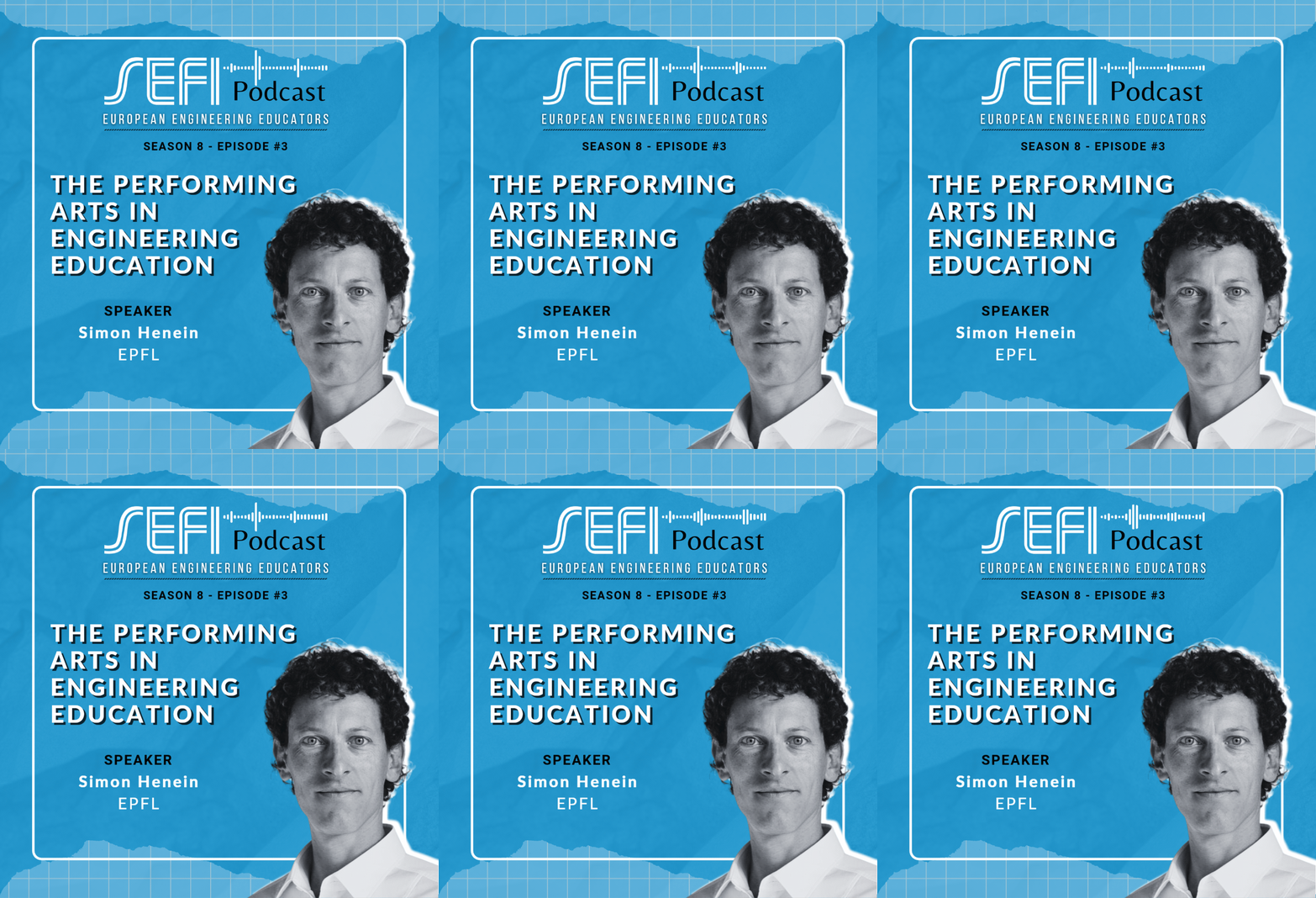
In this episode, we explore an innovative approach to engineering education with Professor Simon Henein from EPFL. Combining his experience as an engineer, researcher and artist, Henein discusses how techniques from modern dance and improvisation inform his teaching. Through his concept of “improgineering" he encourages students to experiment, embrace uncertainty and develop their creativity through shared learning experiences.
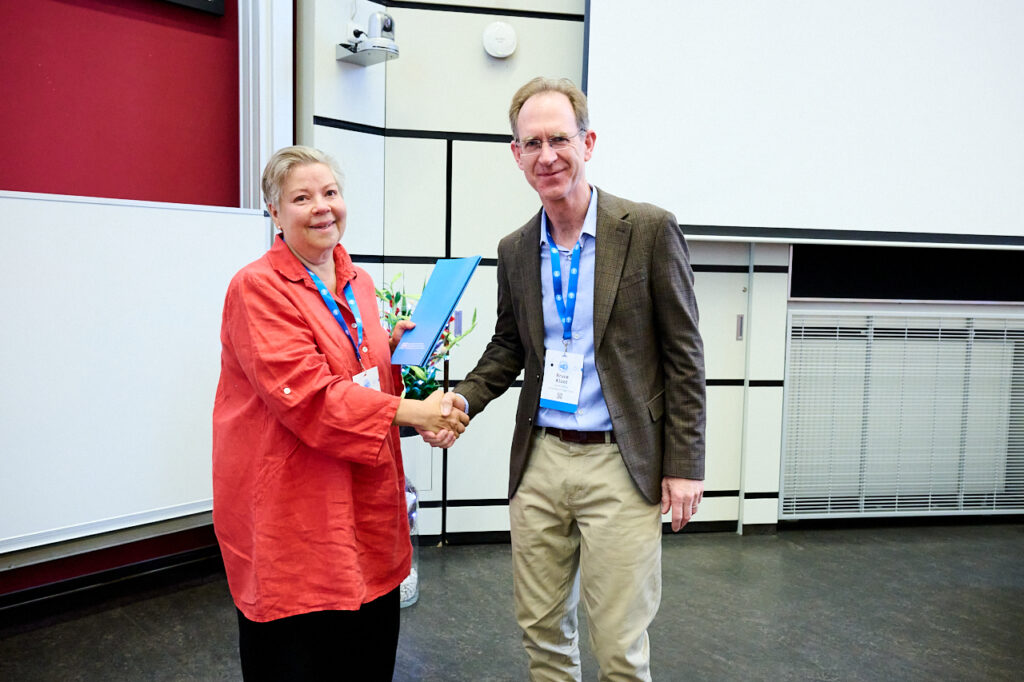
Corrinne Shaw, Bruce Kloot (University of Cape Town)
Engineering under oppressive regimes: exploring the role of engineers during apartheid South Africa
Volume 50, 2025 – Issue 3
The European Journal of Engineering Education (EJEE) Best Paper Award recognises both scholarly excellence and practical relevance in engineering education research. This year’s winning paper, published in Volume 50 (2025), was presented at the SEFI 2026 Annual Conference in Prague, Czech Republic.
The awarded study investigates the lived experience of engineers in apartheid South Africa, how they saw their own role, and why they acted the way they did. The impactful findings raise questions that are urgently relevant also today. What responsibility do we have as engineers when technology is used for repressive purposes, and how can we act?
We see that apartheid could be resisted not only through protests and marching (that is, separate from engineering), but also in the technical work itself. One example is an engineer who quietly ensured that access to electricity was reliable and affordable, also in areas that were designated as “black” and therefore less prioritised by the client. In the paper, this is called technical activism, but we could also just say that it is good engineering. The research by Corrinne Shaw and Bruce Kloot is important and timely to us in engineering education. Our graduates need to develop a critical awareness of the political and social dimensions of engineering, so they can navigate with intention as professionals and deliberately exercise their values. We want them to end up on the right side of history.
Related Posts