In every episode of the SEFI podcast, several transferable skills are mentioned, this highlighting their…
Dear SEFI Community, Colleagues, and Friends,
As we transition into a new academic year, I find myself reflecting on an exceptionally vibrant and transformative summer for the European Society for Engineering Education. It has been a season defined by deep collaboration, strategic dialogue, and shared growth. Over the past few months, I have had the privilege of representing SEFI at three pivotal European engineering events, each highlighting a crucial pillar of our mission to advance engineering education.
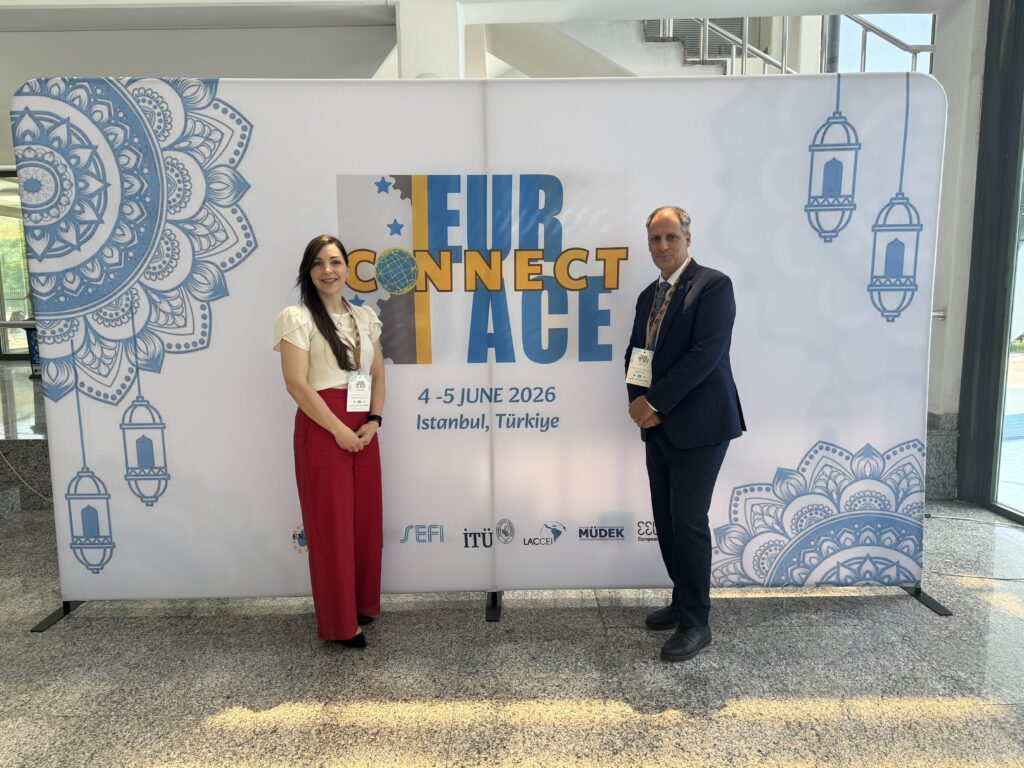
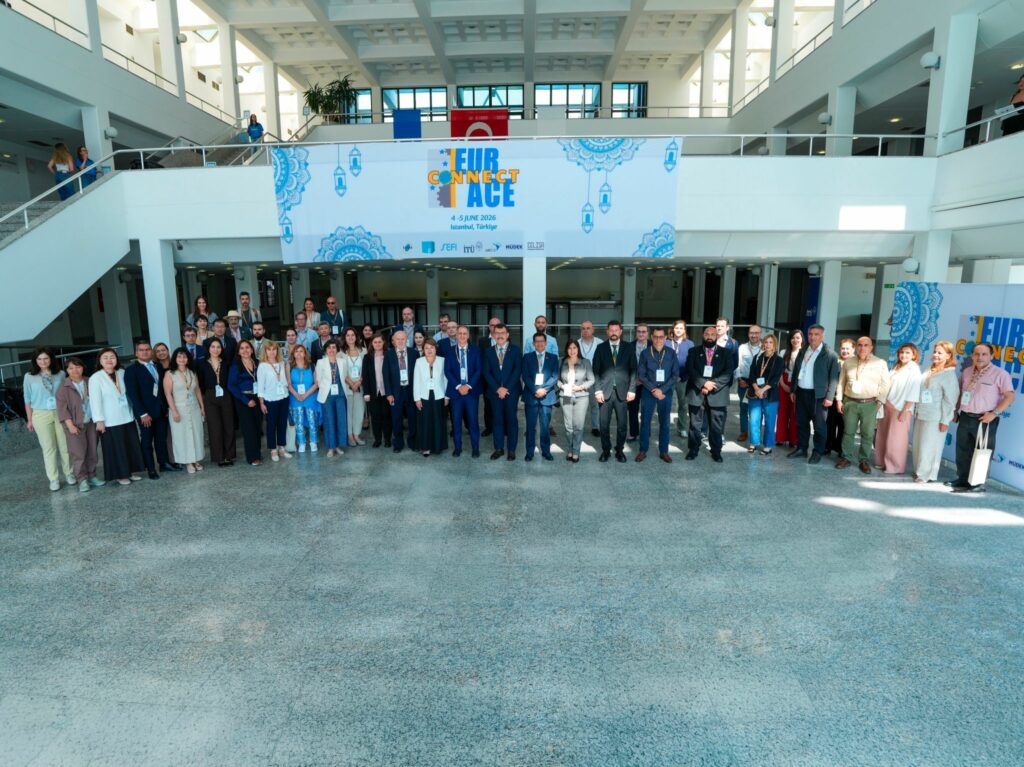
First, at the European Network for Accreditation of Engineering Education (ENAEE) Connect Forum, we engaged in vital global dialogues centring on quality assurance, cooperation, and the strategic alignment of engineering programs across borders. This forum remains a cornerstone for cementing international alliances and ensuring our curricular frameworks meet the highest standards of international excellence. This year more generally, we have also deepened our long-standing relationship with ENAEE, which authorises accreditation and quality assurance agencies to award the EUR-ACE label, and whose collaboration with our Special Interest Group on Quality Assurance and Accreditation continues to grow.
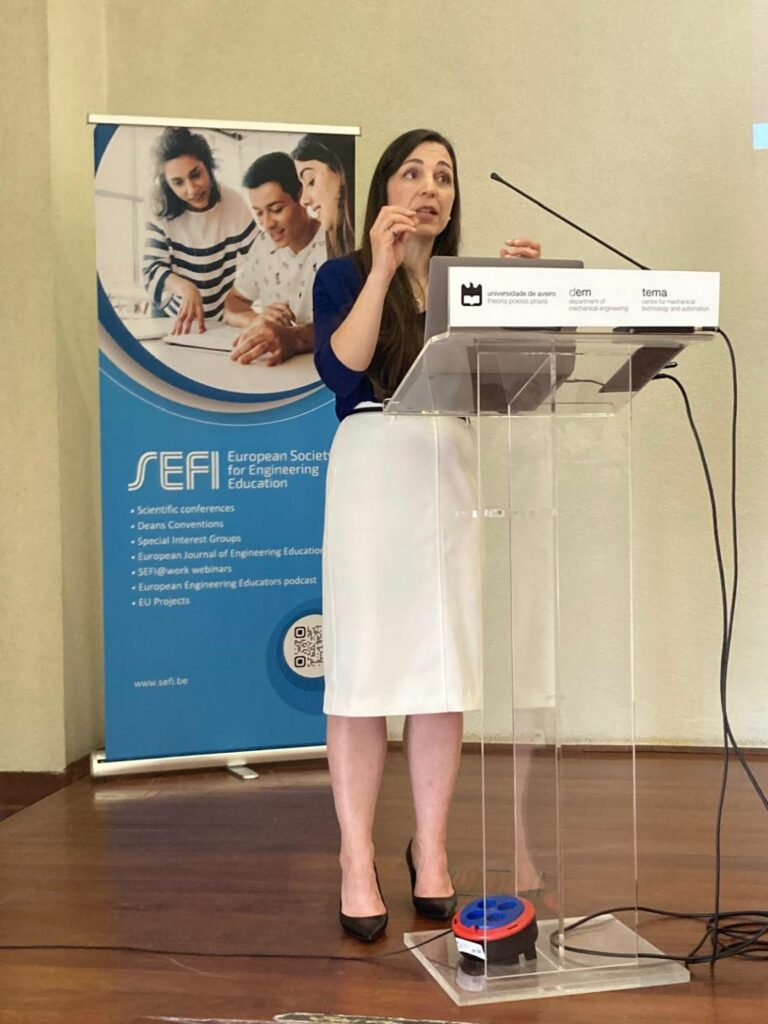
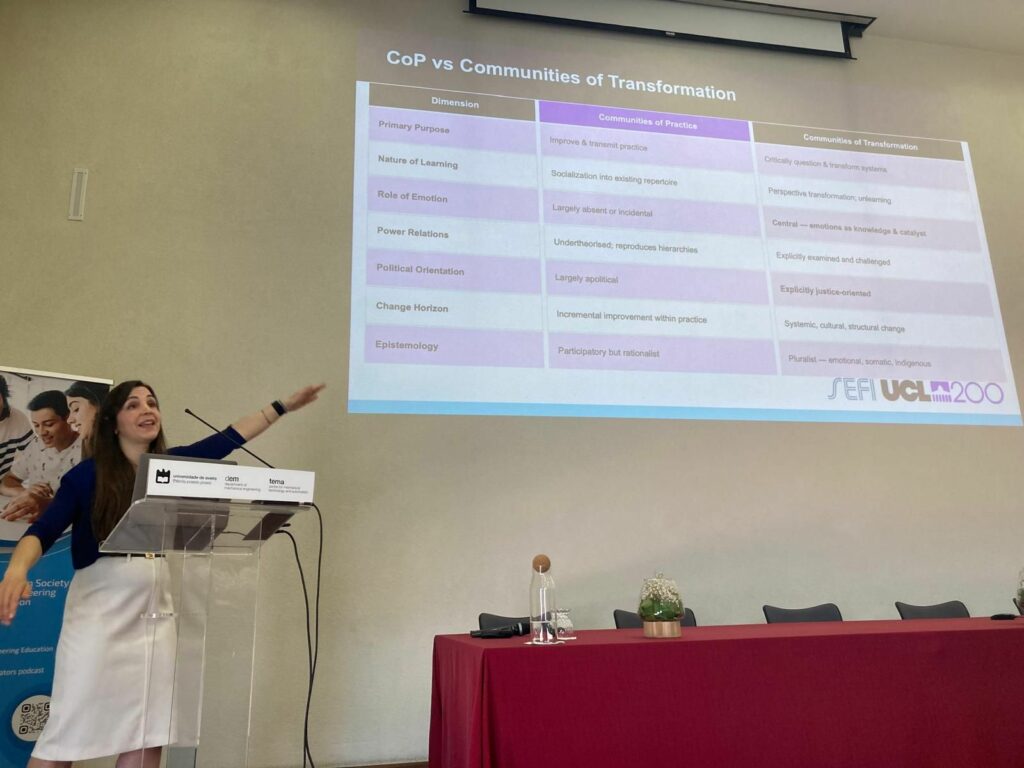
Following this, the SEFI Regional Event hosted by the University of Aveiro brought our community together to confront one of the most pressing mandates of our time: Education for Sustainable Development. Here, I was happy to present on Transformative Leadership for Emotions and Sustainability in Engineering Education, alongside the pedagogical innovations, curriculum transformations, and empathetic engineering research driven by our colleagues in Portugal, which reinforced how critical localized, mission-driven events are to enacting global change.
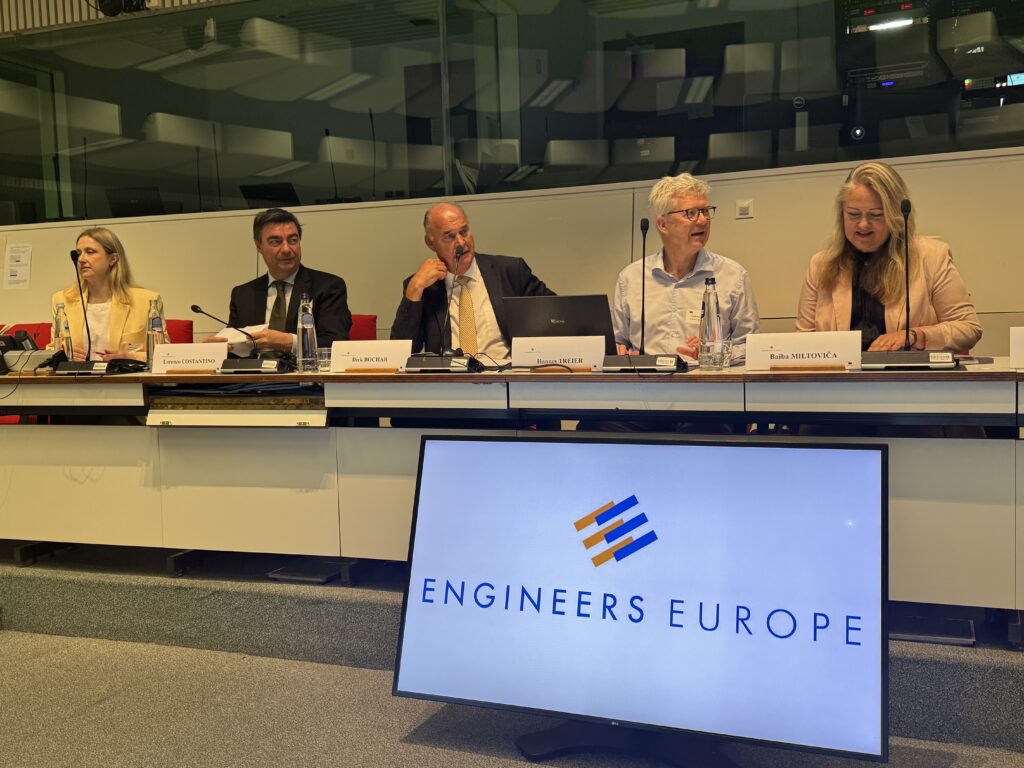
Finally, attending the Engineers Europe 6th meeting of the European Engineering Skills Council offered a powerful opportunity to bridge the gap between academic preparation and industry demands, building atop the recommendations and achievements of the Engineers for Europe (E4E) project. SEFI is a core member of the Council, an important route through which our community’s expertise reaches European policy makers. Our place at that table reflects something central to our mission: that advancing engineering education requires not only excellent practice within our own institutions, but a credible and consistent voice in the policy conversations that shape the profession across Europe. By focusing heavily on the evolving skills gap, upskilling, and professional competencies, this council ensures that the European engineering workforce remains highly competitive, agile, and prepared for future cyber-physical disruptions.
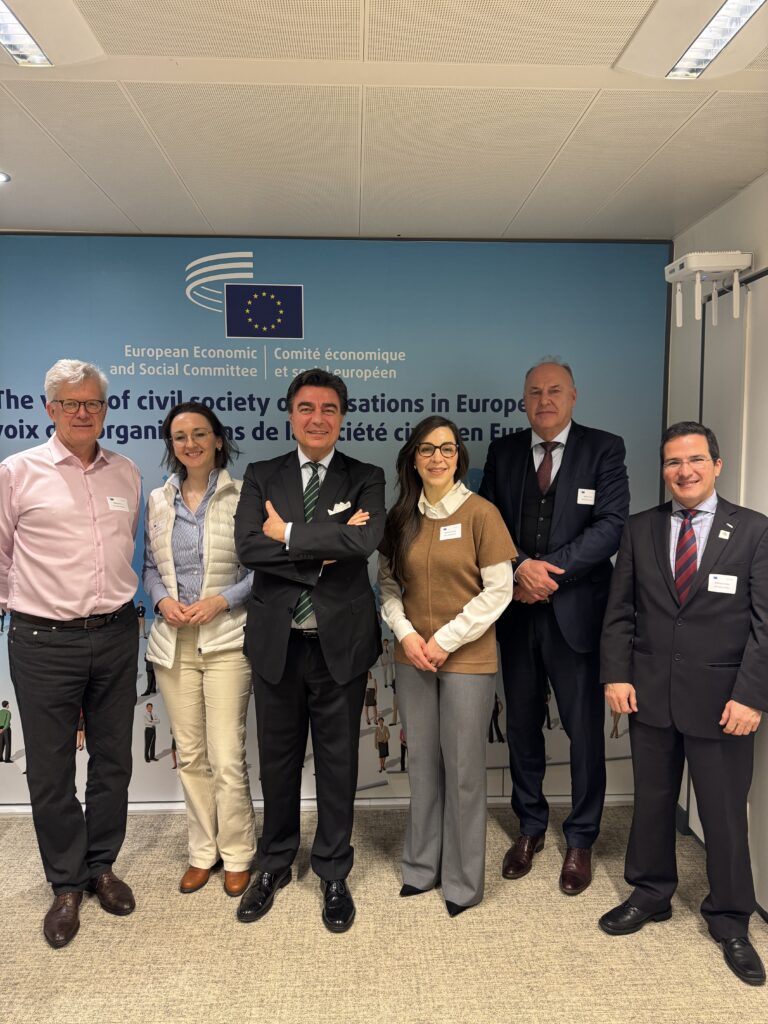
Together, these summer milestones underscore the strength of our network. They bridge the gap between rigorous academic research, strict quality standards, and the ultimate economic and ecological needs of society. I look forward to carrying this incredible momentum into our upcoming initiatives in the new academic year.
Professor Emanuela Tilley, UCL, United Kingdom
SEFI President
Related Posts